Over the last year, billions of dollars have been deployed into NFTs as investors look to record the next 'domain name' wealth. But unlike domain, the innovation behind NFTs offer a much higher chance for digital products, as they represent a tool to enable the creation and release of digitally native goods by anyone on Earth.
And there is a literal universe of innovative possibilities for NFTs, as numerous as our minds can picture, as opposed to the expansive though limited name space of the early Internet. Non-fungible tokens (NFTs) are digitally native products or items which are produced and managed on a blockchain. A blockchain is a digital ledger, which successfully serves as a database for tracking and (in this case NFT) management.
Consider it like a digital phone book, where anyone can publish their number and have it confirmed by the telephone company. The blockchain runs similarly, except instead of the telephone company confirming the NFT, the blockchain network does. Like a phone number in the telephone directory, once an NFT is minted it can not be copied or reproduced.
This resembles saying a Le, Bron James trading card is the exact same as a $20 costs. Even if both are printed on paper does not indicate they are the very same. Crypto coins resemble paper currency. Each dollar costs is exactly the same worth and can be swapped out at random.
Your Bitcoin is the very same value as my Bitcoin. If we traded costs, they 'd deserve the precise very same thing. As tokens, they are fungible. NFTs are different because they are minted distinctively, similar to a painting or trading card. Frequently cards will have a print number, showing the individuality of the set.
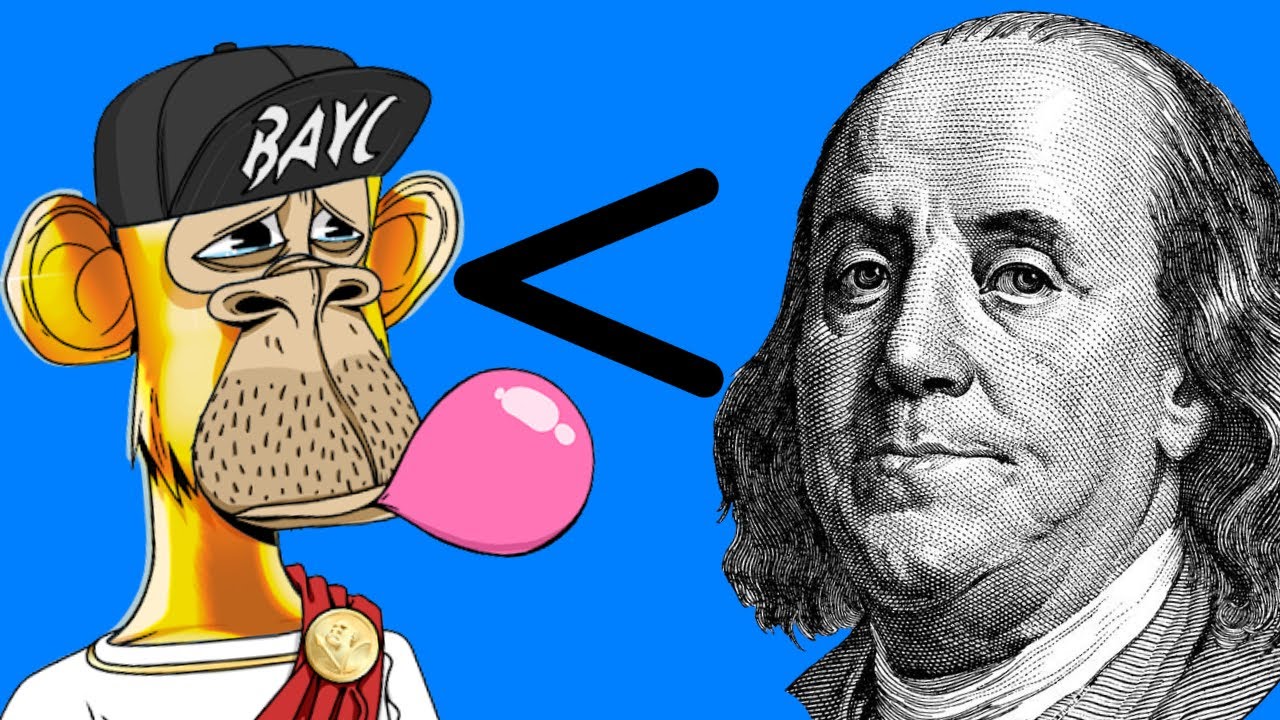
We may have comparable cards, but your print number is different and thus can represent a various value on the market. The simplest way to think of an NFT is to consider it a digital collectible. Most investors are familiar with antiques such as art work, great white wine, trading cards, or perhaps classic vehicles.